🏗️ Executive Hiring Trends in Construction & Infrastructure: The Leaders Shaping Tomorrow
🏗️ Executive Hiring Trends in Construction & Infrastructure: The Leaders Shaping Tomorrow
The biggest challenge facing construction and infrastructure businesses isn't always finding the next project. It's finding the right people to lead it.
The industry is changing rapidly. Major infrastructure investment, digital transformation, sustainability targets and ongoing skills shortages are reshaping what organisations expect from their senior leadership teams.
And one thing is becoming increasingly clear:
👉 The right executive can accelerate growth. The wrong appointment can hold an organisation back for years.
So, what is changing in the executive hiring market and what should construction and infrastructure businesses be doing about it? 👇
🚧 1. Construction Leaders Are Being Asked to Do More
Senior construction leaders are no longer judged solely on whether they can deliver projects on time and within budget.
Today's executives need to combine operational expertise with commercial thinking, strategic leadership and the ability to manage change.
Businesses are increasingly looking for leaders who can:
- 🎯 Drive sustainable business growth
- 💷 Improve commercial performance
- 🏗️ Deliver complex projects
- 🤝 Strengthen client relationships
- 👥 Build high-performing teams
- 📊 Use data to improve decision-making
- 🌱 Support sustainability objectives
The modern construction executive isn't simply managing projects they're shaping the future of the business.
🏢 2. Infrastructure Investment Is Increasing Demand for Senior Talent
Transport, energy, utilities, housing and major development programmes are creating new opportunities across the UK.
At the same time, competition for experienced leadership talent is increasing.
Key positions include:
- Managing Directors
- Construction Directors
- Operations Directors
- Commercial Directors
- Project & Programme Directors
- Engineering Directors
- Development Directors
- Finance Directors
- Procurement & Supply Chain Directors
The challenge?
Many of the strongest candidates aren't actively looking for a new role.
They are already succeeding elsewhere.
That means businesses need to move beyond simply advertising vacancies and start proactively identifying and engaging with the right people.
💻 3. Technology Is Changing What Good Leadership Looks Like
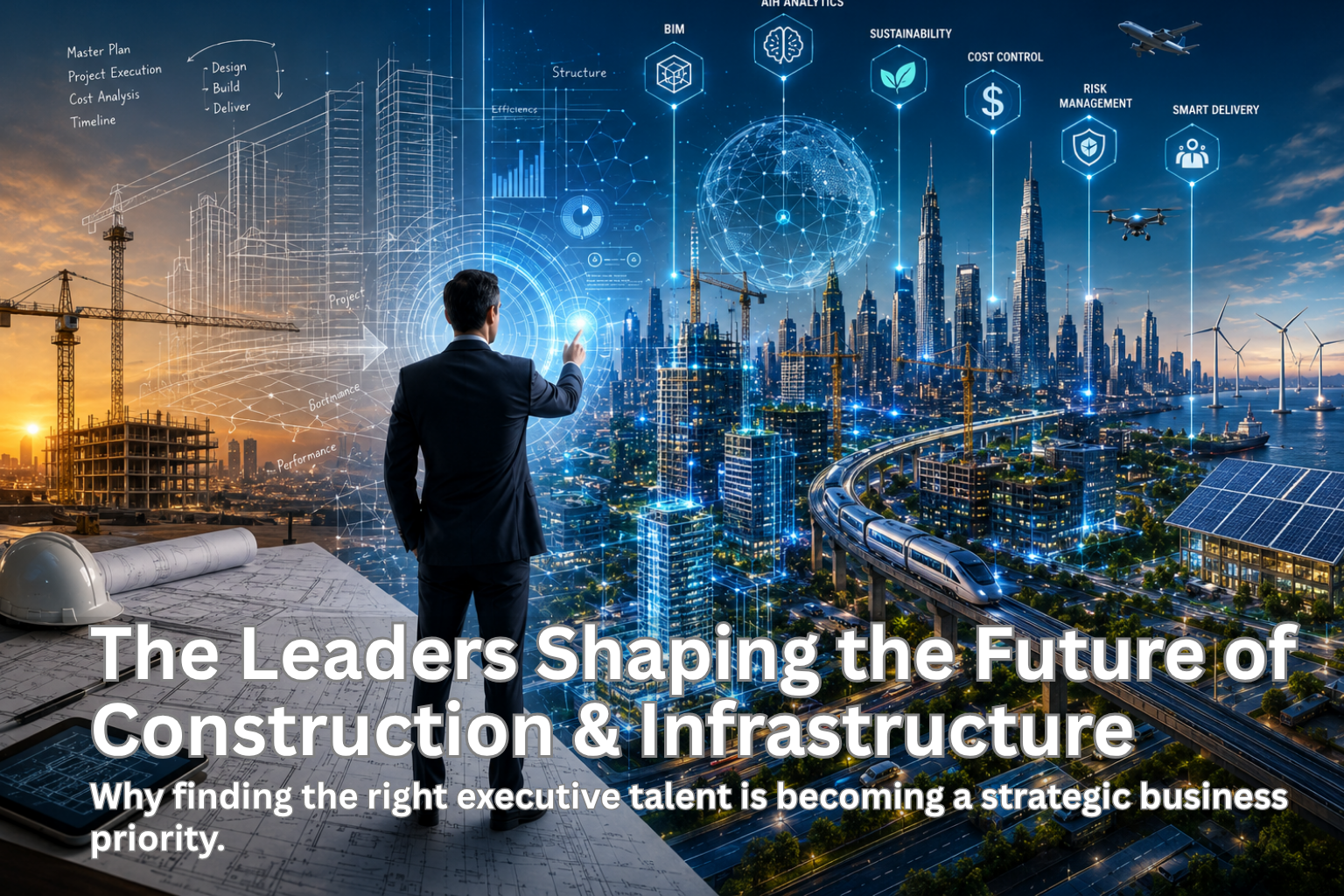
AI, BIM, automation, data analytics and digital project management are transforming how construction and infrastructure projects are delivered.
However, technology alone doesn't create competitive advantage.
Leadership does.
Future-focused executives need to understand how technology can improve:
- ⚡ Productivity
- 📊 Decision-making
- 💰 Cost control
- 🔍 Risk management
- 🏗️ Project delivery
- 🤝 Collaboration
The most valuable leaders will increasingly combine deep industry expertise with digital thinking.
🌱 4. Sustainability Has Entered the Boardroom
Sustainability is no longer simply an environmental responsibility.
It is increasingly a strategic leadership issue.
Executives are expected to understand areas such as:
- Carbon reduction
- Sustainable procurement
- Energy efficiency
- Resource management
- Net-zero strategies
- Responsible project delivery
The question is no longer simply:
“Can we build it?”
It is becoming:
“Can we build it responsibly, efficiently and sustainably?” 🌍
🧠 5. Technical Expertise Isn't Enough
A candidate may have decades of industry experience and an impressive project portfolio.
But can they lead?
That is becoming one of the most important questions in executive hiring.
Successful leaders need to be able to:
- 💬 Communicate clearly
- 🤝 Build trust
- 👥 Develop people
- 🧩 Solve complex problems
- ⚖️ Make difficult decisions
- 🔄 Lead organisational change
- 🎯 Deliver commercial results
Technical capability gets you into the conversation. Leadership capability gets you the appointment.
💷 6. Salary Matters But It's Not the Whole Story
For senior executives, compensation is important but it isn't always the deciding factor.
High-calibre candidates also want to understand the opportunity they are joining.
They may consider:
- Company growth strategy
- Quality of projects
- Leadership culture
- Decision-making autonomy
- Career progression
- Long-term incentives
- Flexibility
- Market reputation
- Opportunity to make an impact
A competitive package gets attention. A compelling opportunity gets acceptance.
🎯 7. Executive Talent Acquisition Is Becoming More Targeted
Posting a vacancy and waiting for applications is rarely enough when you are looking for highly experienced leadership talent.
The strongest candidates may never see your advert.
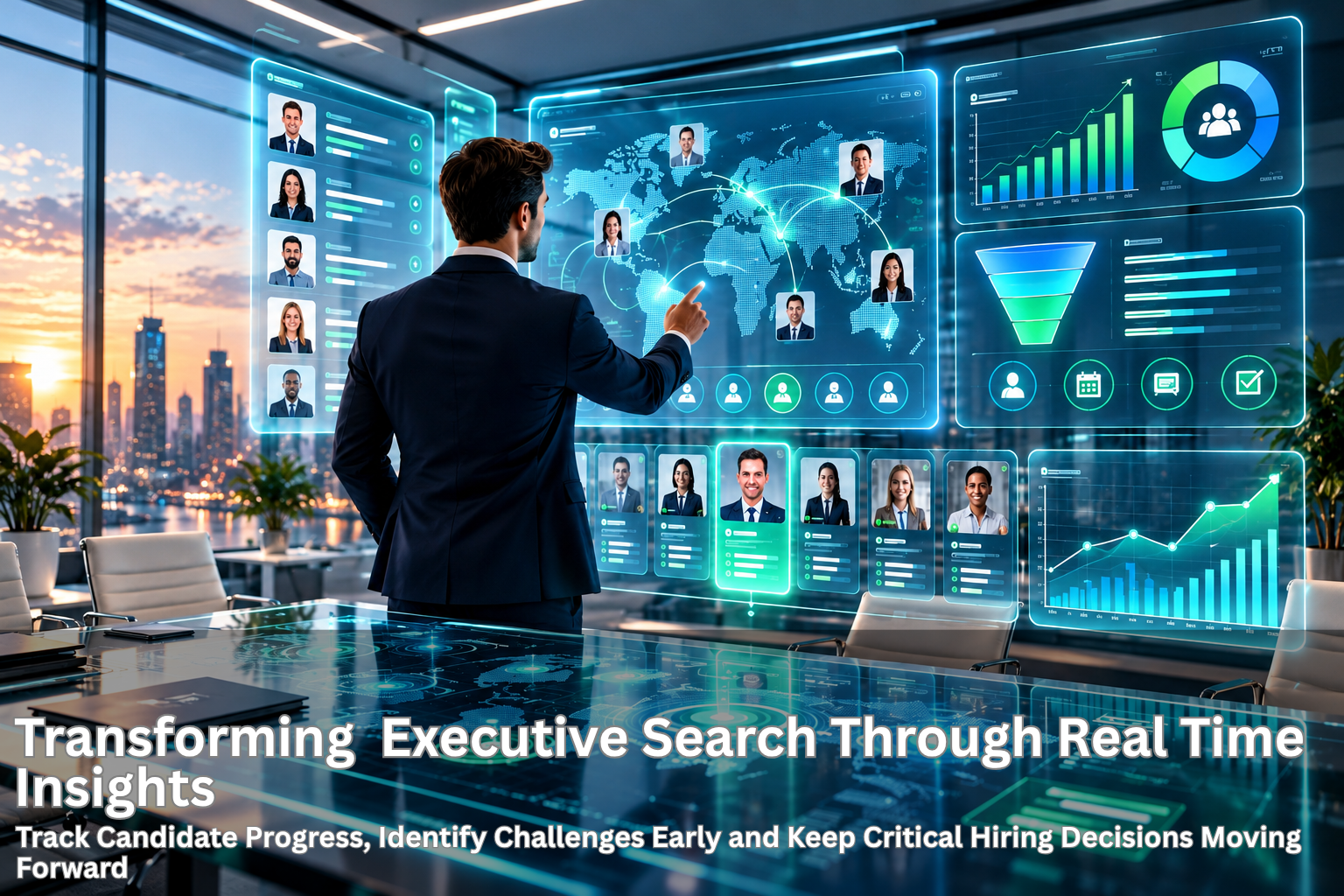
This is where executive search and targeted talent mapping can play an important role.
Instead of asking:
“Who has applied?”
Businesses can ask:
“Who are the strongest potential leaders in the market and how can we engage them?”
This approach allows organisations to identify experienced professionals who may not be actively searching but could be open to the right opportunity.
🌍 8. Flexibility Is Changing the Talent Map
Construction will always require strong leadership across projects, sites and operational environments.
However, executive roles can increasingly involve a combination of:
- 🏢 Head office
- 🏗️ Project sites
- 🤝 Client meetings
- 🏠 Remote working
- ✈️ Regional or international locations
Greater flexibility can also allow businesses to access a wider leadership talent pool.
For senior executives, it can provide greater flexibility while maintaining strategic responsibility.
Flexibility is becoming an increasingly important part of the executive proposition.
🔥 The Biggest Executive Hiring Mistake?
Waiting until you urgently need someone.
When a senior leader leaves, organisations naturally want an immediate replacement.
But successful executive searches take time.
They require:
- Identifying the right market
- Mapping relevant talent
- Building relationships
- Assessing leadership capability
- Understanding candidate motivations
- Evaluating cultural alignment
- Securing the right appointment
The best time to build your executive talent pipeline isn't when you have a vacancy. It's before you have one.
🚀 What Will the Next Generation of Construction Leaders Look Like?
The future belongs to executives who can connect the dots:
People + Technology + Commercial Strategy + Sustainability + Delivery.
Tomorrow's leaders will need to be commercially sharp, digitally aware, people-focused and comfortable operating in an environment where change is constant.
For construction and infrastructure businesses, the challenge isn't simply finding an executive.
It's finding the right leader for the next chapter of the organisation.
And that's where a targeted executive search strategy can make a genuine difference. 🤝
🏆 The Right Leader Can Change the Trajectory of a Business
A great executive doesn't simply fill a position.
They can help:
- 📈 Accelerate growth
- 💷 Improve profitability
- 👥 Strengthen teams
- 🏗️ Transform project delivery
- 🤝 Win new business
- 🌱 Drive sustainable change
Executive hiring should therefore be viewed as a strategic investment not simply another recruitment process.
Looking for your next construction or infrastructure leader?
Wyman Bain helps organisations identify and engage senior talent capable of making a genuine impact.
Because the right leader isn't just someone who can do the job.
They're someone who can take the business further. 🚀