The Leadership Challenge of Managing Energy Infrastructure Across Multiple Markets ⚡🌍
The Leadership Challenge of Managing Energy Infrastructure Across Multiple Markets ⚡🌍
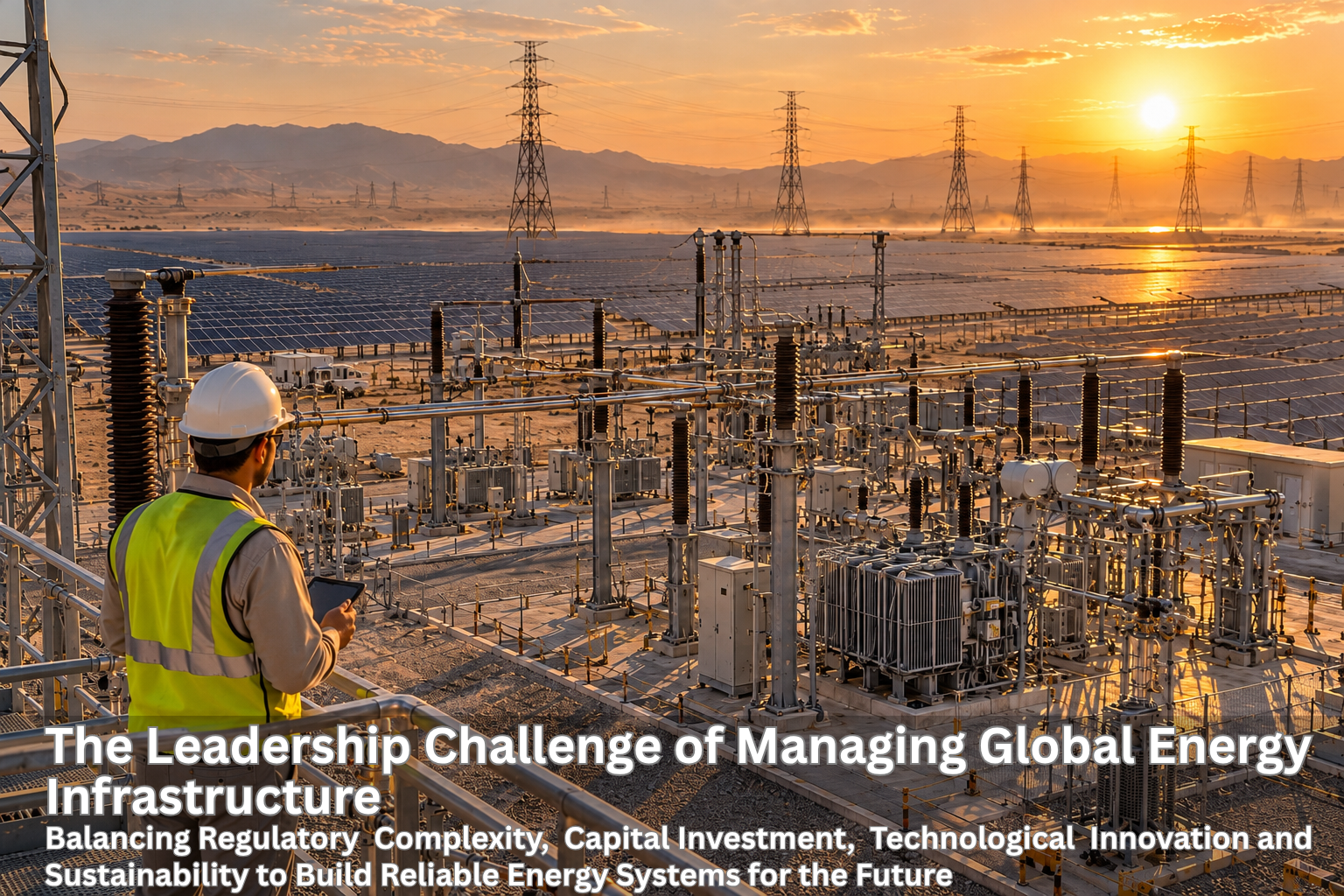
Introduction: Navigating a Changing Energy Landscape
Energy infrastructure is evolving rapidly, driven by rising demand, technological innovation and the transition towards cleaner energy. For organisations operating across multiple markets, managing this change requires strong leadership, strategic planning and the ability to respond to different commercial and regulatory environments.
From electricity networks and renewable energy projects to power generation and energy storage, senior leaders must balance operational reliability with long-term investment and sustainability objectives.
At Wyman Bain, we recognise the importance of experienced leadership in navigating complex industries and building teams capable of delivering sustainable business performance.
🌐 1. Navigating Different Regulatory Environments
Energy markets operate under different regulatory frameworks, policies and compliance requirements. These differences can influence investment decisions, project timelines, operating costs and infrastructure development.
Leaders managing international operations must understand local regulations while maintaining consistent standards across the wider organisation. This requires close collaboration with regional teams, regulators and external stakeholders.
Anticipating policy changes is equally important. Organisations that monitor regulatory developments and adapt their strategies proactively are better positioned to manage risk and identify new opportunities.
⚡ 2. Balancing Local Requirements with Global Strategy
Every energy market has its own priorities. Some regions focus on renewable energy expansion, while others concentrate on energy security, grid modernisation or improving existing infrastructure.
For senior executives, the challenge is to balance these local requirements with the organisation's broader commercial objectives.
Successful leaders establish clear strategic priorities while giving regional teams the flexibility to respond to local conditions. This approach supports consistent governance without restricting the ability to make timely decisions.
💷 3. Managing Capital Investment and Financial Risk
Energy infrastructure requires significant investment, often involving long development periods and uncertain financial returns. Projects must be assessed against changing demand, financing costs, supply chain conditions and geopolitical risks.
Leaders must determine where capital can generate the greatest long-term value without compromising reliability or operational performance.
Robust financial planning, scenario analysis and effective risk management are essential. By combining commercial judgement with technical expertise, executives can make informed investment decisions that support sustainable growth.
🔋 4. Leading the Energy Transition
The transition towards lower-carbon energy is creating opportunities across renewable generation, battery storage, smart grids and other emerging technologies.
However, integrating new technologies into existing infrastructure presents significant challenges. Leaders must manage investment requirements, technical complexity and operational reliability while responding to changing sustainability expectations.
The most effective executives develop realistic transition strategies that connect environmental objectives with commercial priorities. They also bring together technical specialists, investors and operational teams to ensure that innovation translates into measurable results.
🤝 5. Building Effective International Leadership Teams
Managing infrastructure across multiple markets requires leaders who combine technical understanding, commercial awareness and cultural intelligence.
Regional teams need the authority to address local challenges, while central leadership must maintain clear accountability and consistent organisational standards.
Strong communication, effective collaboration and well-defined responsibilities help prevent fragmented decision-making. Equally important is recruiting individuals who can lead complex projects, manage stakeholders and deliver results across geographical boundaries.
At Wyman Bain, we understand the value of identifying senior professionals who can combine strategic vision with practical execution.
🛡️ 6. Strengthening Operational Resilience
Energy infrastructure faces risks ranging from extreme weather and equipment failures to cyber threats and supply chain disruption.
These risks can become more complex when organisations operate across several markets. A disruption in one region may affect wider operations, project delivery or commercial performance.
Leaders must therefore prioritise resilience through contingency planning, regular risk assessments and effective crisis management. Protecting digital systems and critical infrastructure is also essential as energy networks become increasingly connected.
Building resilience into everyday operations helps organisations respond more effectively to unexpected challenges.
💡 7. Using Technology to Improve Performance
Digital technologies, including artificial intelligence, predictive maintenance and real-time monitoring, are transforming infrastructure management.
These tools can help organisations identify equipment problems earlier, improve efficiency and make better-informed investment decisions.
However, technology must support clear business objectives. Leaders need to ensure that teams have the skills, systems and reliable data required to translate digital capabilities into practical improvements.
Successful digital transformation depends on combining technological innovation with sound leadership and effective change management.
🌱 8. Making Sustainability a Strategic Priority
Sustainability is increasingly central to energy infrastructure investment and long-term business planning. Organisations must consider emissions reduction, environmental responsibilities and stakeholder expectations alongside financial performance.
Operating across multiple markets adds complexity because sustainability regulations and reporting requirements may differ.
Senior leaders must establish measurable objectives and ensure that environmental commitments are supported by credible investment and operational decisions.
Integrating sustainability into business strategy helps organisations strengthen stakeholder confidence while preparing for the changing demands of the energy sector.
🎯 9. Why Executive Leadership Matters
Managing energy infrastructure across multiple markets requires more than technical expertise. It demands strategic thinking, financial discipline, stakeholder management and the ability to lead through uncertainty.
The right executives understand how regulation, technology, investment and workforce capabilities influence organisational performance. They can connect long-term objectives with practical delivery while building teams equipped to manage complex challenges.
For organisations pursuing expansion, modernisation or energy transition programmes, securing experienced leadership talent can be a significant competitive advantage.
Looking to strengthen your leadership team? 🤝 Connect with Wyman Bain to discuss your executive search requirements and identify the talent your organisation needs to navigate the future with confidence.
🌍 Wyman Bain Connecting organisations with exceptional leadership talent.