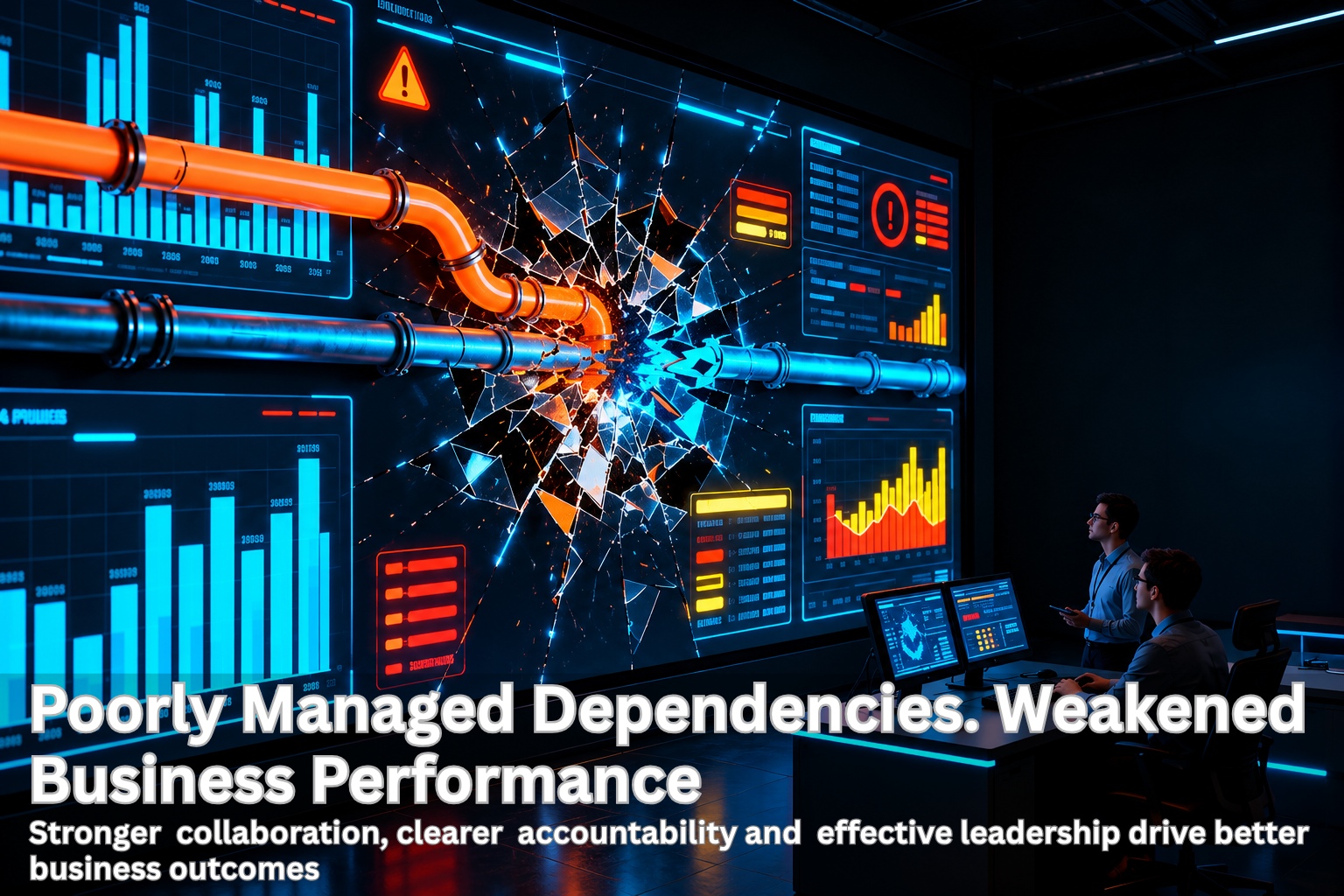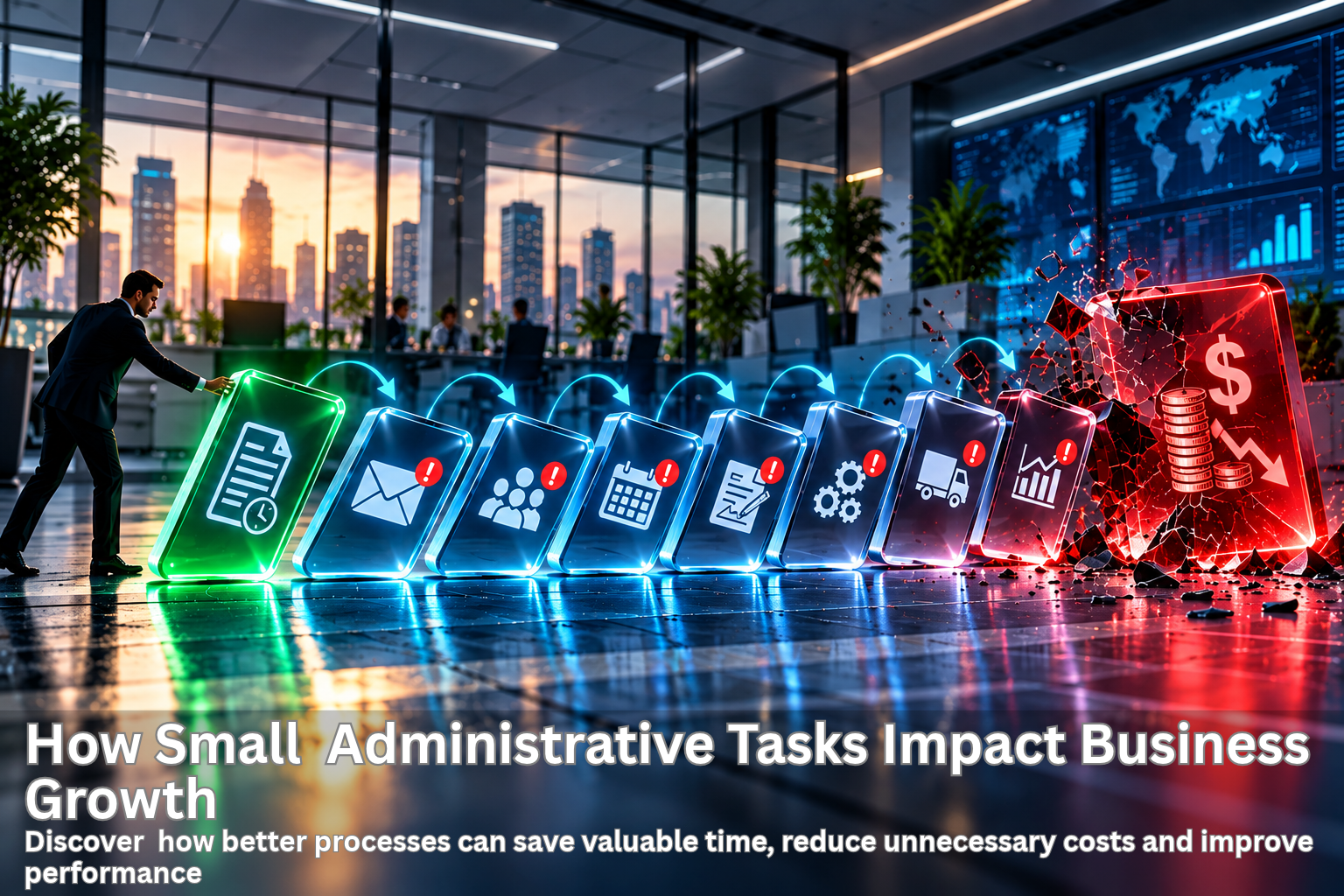
The Risks of Relying on Unwritten Procedures for Critical Business Activities ⚠️
The Risks of Relying on Unwritten Procedures for Critical Business Activities ⚠️
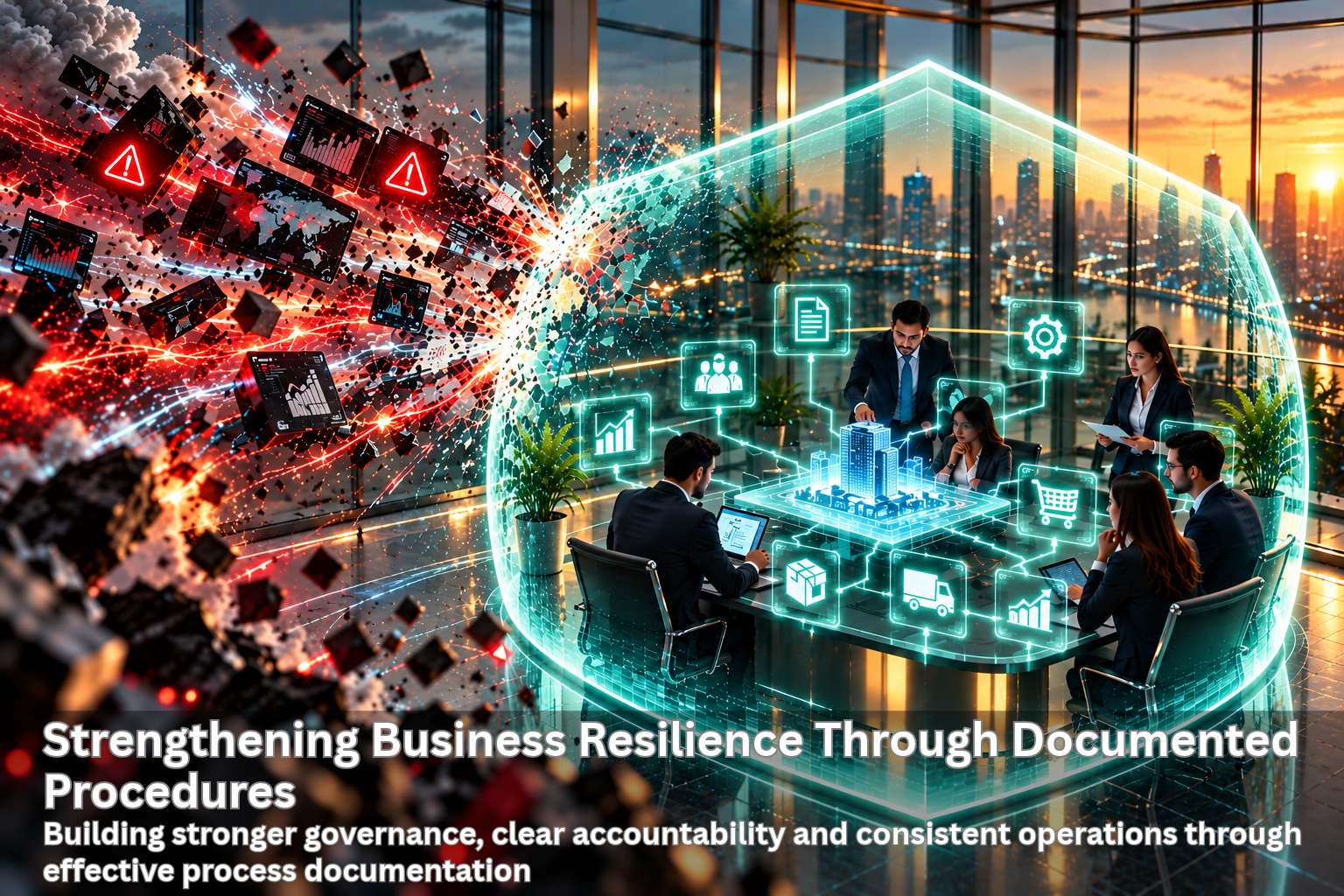
In business, some of the most important processes are not always documented. From financial approvals and client management to operational controls and compliance activities, organisations often depend on employees’ experience, verbal instructions and knowledge passed between colleagues.
While this approach may appear efficient, relying on unwritten procedures can expose a business to unnecessary risks. When essential knowledge exists only in employees’ memories, even a routine absence or unexpected departure can disrupt operations.
At Wyman Bain, we recognise that effective governance, clear processes and operational resilience are essential for businesses seeking sustainable growth and long-term success.
🧩 What Are Unwritten Procedures?
Unwritten procedures are informal methods of completing tasks without documented instructions, clearly defined responsibilities or standardised steps. They often develop naturally as employees become familiar with their roles and establish their own ways of working.
Examples include financial approvals agreed verbally, reporting processes understood by a single employee, informal client handovers and operational tasks completed using personal notes or memory.
Although these arrangements may work in small teams or familiar environments, they become increasingly unreliable as organisations grow, responsibilities change and business activities become more complex.
The key concern is not that employees lack experience, but that the organisation may lack a reliable system for preserving and sharing that experience.
⚠️ The Key Risks of Unwritten Procedures
1. Loss of Critical Business Knowledge
When essential processes depend on specific individuals, an employee’s absence, resignation or retirement can leave significant knowledge gaps.
Colleagues may struggle to complete important tasks, locate relevant information or understand how unusual situations should be handled. This can lead to delays, operational disruption and increased pressure on remaining staff.
Documenting critical procedures helps preserve organisational knowledge and ensures that responsibilities can be transferred without unnecessary disruption.
2. Inconsistent Processes and Outcomes
Without agreed procedures, different employees may approach the same task in different ways. This can result in inconsistent service delivery, avoidable mistakes, duplicated work and confusion over expected standards.
Documented processes establish a consistent approach, helping employees understand what is required and enabling managers to assess whether activities are being completed correctly.
3. Increased Compliance and Governance Risks 🛡️
Businesses may need to demonstrate that their activities follow internal policies, contractual obligations and applicable legal or regulatory requirements.
When procedures are undocumented, it can be difficult to establish whether the correct approvals were obtained, appropriate checks were completed or decisions were made in accordance with established controls.
Depending on the activity, these gaps may contribute to audit findings, compliance failures and reputational damage. Clear documentation supports accountability and makes it easier to demonstrate how important business activities are managed.
4. Greater Exposure to Operational Errors
Critical business activities often involve several steps, approvals and dependencies. When these are not recorded, employees may overlook important checks or rely on assumptions.
For example, a payment process may require independent verification before funds are transferred. If this requirement is communicated informally, an employee unfamiliar with the process may unintentionally bypass an essential control.
Documented procedures help ensure that important safeguards are consistently followed.
5. Difficulty Scaling Business Operations 📈
As organisations expand, informal working arrangements become harder to manage. New employees need clear guidance, managers require visibility of responsibilities, and teams must coordinate activities across departments.
Without documented procedures, growth can increase dependency on experienced employees and make it difficult to maintain consistent standards.
Well-defined processes support staff training, delegation and expansion, allowing businesses to grow without losing operational control.
🔍 Why Do Businesses Overlook This Risk?
Unwritten procedures rarely emerge from a deliberate decision to operate without controls. More commonly, they develop because employees prioritise immediate deadlines, experienced colleagues know what to do, and documenting processes is repeatedly postponed.
Over time, informal practices become accepted as normal business operations.
The difficulty is that a process which works because one experienced employee understands it may not be a process the organisation can reliably reproduce.
Businesses should therefore assess not only whether a task is currently being completed successfully, but also whether it could be completed consistently by another appropriately trained employee.
✅ How Can Businesses Reduce These Risks?
Reducing dependency on unwritten procedures does not require excessive paperwork. The priority is to identify critical activities and document the information employees need to perform them reliably.
1. Identify critical processes. Start with activities that could cause significant financial, operational, compliance or reputational consequences if they failed.
2. Document essential steps. Record the required actions, approvals, checks, deadlines and supporting information in a clear, practical format.
3. Assign responsibilities. Establish who performs each task, who reviews the work and who has authority to approve decisions.
4. Develop backup arrangements. Ensure that suitably trained colleagues can manage essential activities when the primary employee is unavailable.
5. Review documentation regularly. Update procedures when systems, responsibilities, business requirements or applicable regulations change.
6. Make guidance accessible. Store approved procedures in an appropriate central location and ensure employees can access the latest versions when needed.
🔑 The objective is not to create unnecessary bureaucracy. It is to make essential business activities repeatable, understandable and resilient.
🚀 Building a More Resilient Business
Documented procedures provide more than instructions for completing routine tasks. They support stronger governance, improved accountability and better business continuity planning.
When processes are clearly defined, organisations can identify weaknesses, review performance and determine where additional controls or automation may be appropriate.
Documentation also supports a culture of shared responsibility. Rather than relying on individuals to resolve every problem through personal experience, employees can follow agreed processes and escalate issues through established channels.
This approach enables businesses to retain valuable knowledge, manage change more effectively and prepare for unexpected disruption.
At Wyman Bain, we believe that effective governance, practical documentation and proactive risk management provide a stronger foundation for sustainable business performance.
Ask yourself: If the person responsible for a critical task were unavailable tomorrow, could your business still complete that task confidently, consistently and correctly?
If the answer is uncertain, it may be time to review the procedures your organisation relies on.
💼 Wyman Bain supporting stronger processes, effective governance and resilient business operations.