How Businesses Can Preserve Valuable Knowledge Embedded in Everyday Processes 🧠
How Businesses Can Preserve Valuable Knowledge Embedded in Everyday Processes 🧠
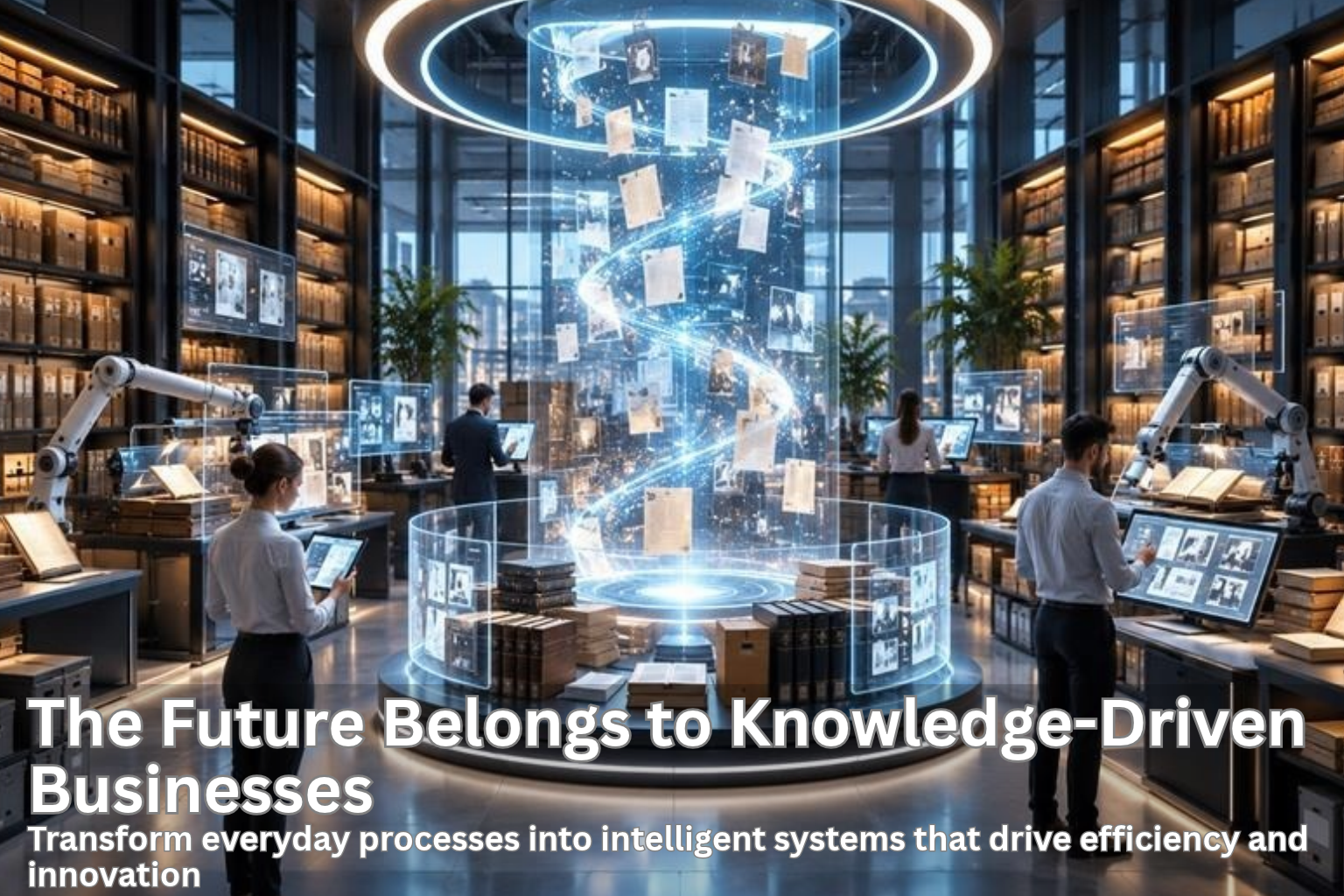
In every business, valuable knowledge is built through everyday activities. From the way employees solve problems to how teams manage clients, handle challenges and make decisions, essential expertise often develops naturally over time. Yet much of this knowledge remains undocumented, making it difficult to retain, share and use effectively across an organisation.
For businesses looking to improve efficiency, strengthen leadership and support long-term growth, preserving this knowledge is essential.
At Wyman Bain, we recognise the importance of identifying the expertise within an organisation and ensuring it continues to create value as teams, roles and business priorities evolve.
🔍 Why Everyday Business Knowledge Matters
Not all valuable business knowledge is found in formal documents, training manuals or company databases. Some of the most important insights exist in the practical experience of employees.
This can include:
- Problem-solving techniques: How experienced employees overcome recurring challenges.
- Client relationships: The understanding developed through regular communication and long-term partnerships.
- Operational expertise: The small adjustments and practical methods that make daily processes more effective.
- Decision-making insights: The experience that helps employees make informed decisions under pressure.
- Team collaboration: The informal practices that help departments work together successfully.
When this knowledge remains with individuals rather than becoming accessible to the wider organisation, businesses risk losing valuable experience whenever employees change roles, leave the company or retire.
💡 1. Identify Knowledge Hidden in Daily Work
The first step towards preserving organisational knowledge is recognising where it exists.
Businesses should look beyond formal procedures and examine how work is actually completed. Everyday meetings, project reviews, customer interactions and problem-solving sessions can reveal valuable insights that may not appear in official documentation.
Speaking with experienced employees and observing established workflows can help organisations identify important practices, recurring challenges and opportunities for improvement.
The objective is not simply to record what employees do, but to understand why certain approaches work and when they should be used.
📝 2. Turn Experience into Practical Documentation
Once valuable knowledge has been identified, it needs to be captured in a format that employees can easily understand and use.
This might include standard operating procedures, process guides, checklists, internal knowledge bases or short training resources.
Effective documentation should be practical rather than unnecessarily complicated. Employees need clear guidance that helps them complete tasks, make decisions and resolve common issues.
For example, an experienced team member may have developed an effective way to manage a difficult client conversation. Documenting the key steps, useful questions and lessons learned can help colleagues apply the same principles in similar situations.
The aim is to make valuable experience accessible without removing the judgement and flexibility needed in real-world situations.
🤝 3. Encourage Knowledge Sharing Across Teams
Documentation alone is not enough. Businesses also need to create opportunities for employees to share their knowledge with others.
Mentoring, peer learning, team discussions and post-project reviews can help transfer practical expertise between individuals and departments.
Encouraging employees to discuss what worked, what did not and what they would do differently creates a culture in which learning becomes part of everyday work.
This approach also reduces dependency on individual employees and helps teams develop a more consistent understanding of business processes.
When knowledge sharing becomes a regular habit, organisations are better equipped to maintain continuity and respond to changing demands.
⚙️ 4. Use Technology to Make Knowledge Accessible
Digital tools can make it easier to capture, organise and retrieve business knowledge.
Centralised knowledge platforms, collaborative workspaces, process management systems and AI-powered search tools can help employees find relevant information when they need it.
However, technology should support a clear knowledge management strategy rather than replace one.
Businesses should ensure that information is accurate, well organised, regularly reviewed and accessible to the appropriate employees. Outdated guidance or scattered documentation can create confusion instead of improving efficiency.
With the right systems in place, employees spend less time searching for information and more time applying their expertise to meaningful work.
🔄 5. Build Knowledge Preservation into Everyday Processes
Knowledge preservation is most effective when it becomes part of normal business operations rather than a separate administrative task.
Organisations can introduce simple practices such as:
- Recording key decisions at the end of important meetings.
- Updating process guides whenever workflows change.
- Capturing lessons learned after completing projects.
- Documenting recurring problems and their solutions.
- Including knowledge transfer in employee onboarding and offboarding.
These small, consistent actions help prevent valuable information from disappearing over time.
They also make knowledge management more sustainable because employees contribute to the process as part of their existing responsibilities.
🚀 6. Review and Improve Knowledge Regularly
Business processes evolve, and the knowledge supporting them must evolve as well.
Regular reviews help organisations identify outdated procedures, fill information gaps and ensure documented practices continue to reflect how work is performed.
Employee feedback is particularly valuable because the people using a process every day are often best placed to identify where improvements are needed.
Businesses can also assess whether employees can find the information they need, whether onboarding has become more effective and whether teams are relying less on a small number of key individuals.
These measures help turn knowledge preservation into an ongoing improvement process.
🌱 The Long-Term Benefits of Preserving Business Knowledge
When organisations capture and share the expertise embedded in everyday processes, they create a stronger foundation for sustainable growth.
The benefits can include:
Greater operational consistency: Teams can follow established practices while adapting to individual circumstances.
Faster employee onboarding: New starters can access practical guidance and learn from existing experience more efficiently.
Reduced knowledge loss: Critical expertise is less likely to disappear when employees leave or change responsibilities.
Improved collaboration: Teams can share insights, reduce duplicated effort and learn from one another.
Stronger decision-making: Employees can draw on documented experience and lessons from previous situations.
Greater organisational resilience: Businesses are better prepared to manage change, maintain continuity and respond to unexpected challenges.
At Wyman Bain, we believe that understanding how people, processes and organisational knowledge work together is an important step towards building more effective and resilient businesses.
The key is to make knowledge preservation an ongoing business priority, not an afterthought.
Because when businesses preserve what their people know, they strengthen what their organisations can achieve. 🌟