The Importance of External Talent Intelligence for Workforce Planning 🔍📊
The Importance of External Talent Intelligence for Workforce Planning 🔍📊
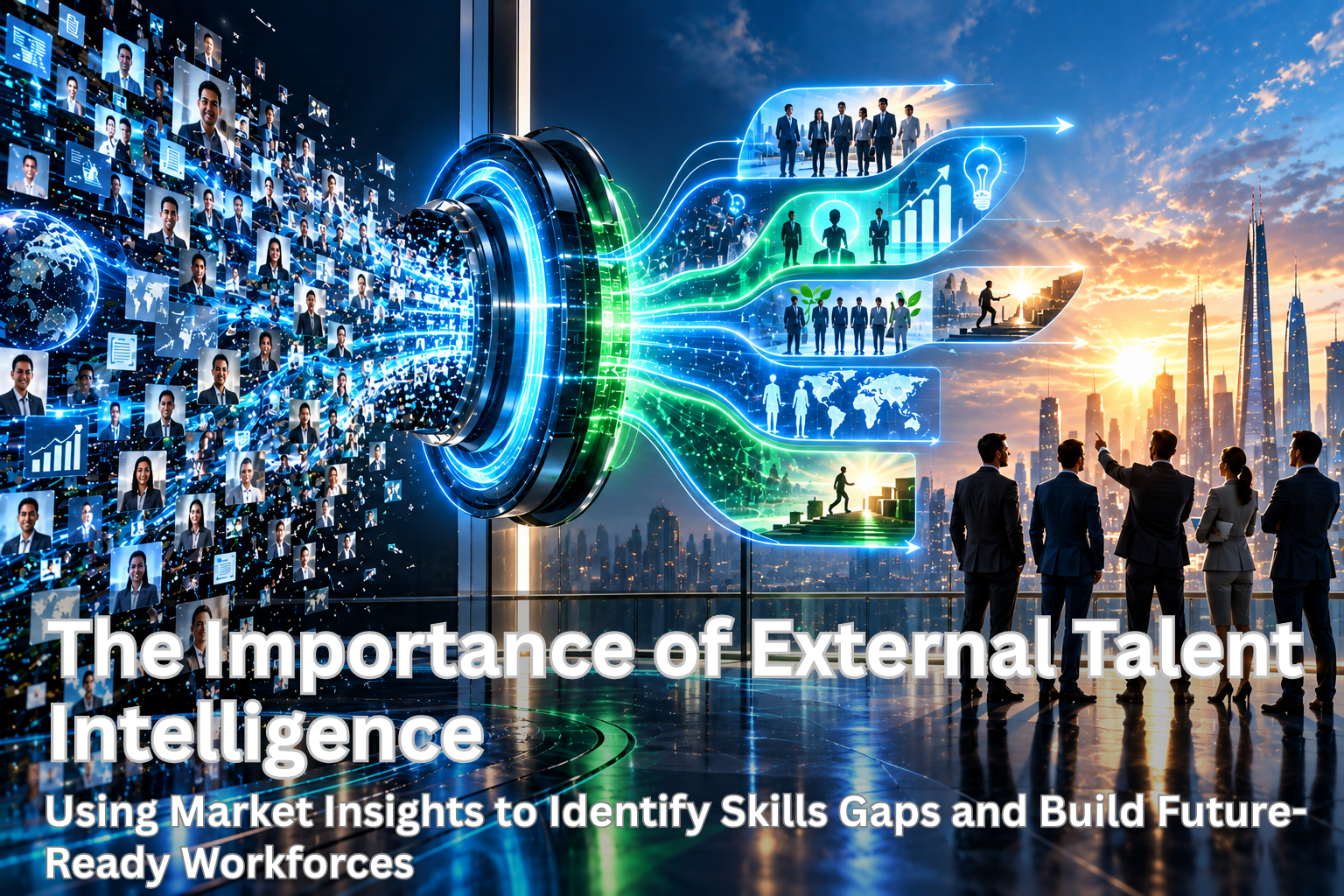
Workforce planning is no longer simply about understanding how many employees an organisation has or how many people it may need in the future. As businesses face changing markets, emerging technologies, skills shortages and increasing competition for talent, organisations need a much broader view of the workforce landscape.
This is where external talent intelligence plays an important role.
By looking beyond internal workforce data and understanding what is happening across the wider talent market, businesses can make more informed decisions about where to recruit, which skills to prioritise and how to prepare for future workforce needs.
What Is External Talent Intelligence? 🧠
External talent intelligence involves gathering and analysing information about the wider employment and talent market.
This can include:
- 👥 Talent availability and skills supply
- 📈 Demand for specialist capabilities
- 💷 Salary and remuneration trends
- 🏢 Competitor hiring activity
- 🌍 Geographic talent pools
- 🚀 Emerging skills and roles
- 🔄 Leadership and talent movement
- 📊 Industry workforce trends
When combined with internal workforce data, these insights provide a more complete picture of an organisation's talent position.
Why Is It Important? 🎯
Internal data can tell a business about its existing workforce, including headcount, turnover, skills and succession plans. However, it cannot always explain what is happening outside the organisation.
For example, a company may identify a future need for experienced engineers, technology specialists or senior commercial leaders. Internal planning can establish the number of people required, but external talent intelligence can reveal whether those individuals are available, where they are located and how competitive the market is.
This distinction is crucial.
A workforce plan may look achievable on paper, but if the required talent is scarce or competitors are aggressively hiring the same professionals, the organisation needs to adjust its strategy.
Identifying Future Skills Gaps 🔮
Technology and business requirements are constantly evolving. Artificial intelligence, automation, digital transformation, sustainability and regulatory changes are creating demand for new skills across many industries.
External talent intelligence can help organisations identify emerging capabilities and potential shortages before they become significant problems.
This allows businesses to consider whether they should:
- Recruit externally
- Develop existing employees
- Reskill or upskill teams
- Build long-term talent pipelines
- Explore new geographic markets
Taking this approach enables organisations to become more proactive about their future workforce.
Understanding the Competition 🏢
Organisations are not only competing for customers; they are also competing for talent.
Monitoring competitor hiring activity can provide valuable insight into their strategic priorities. Significant recruitment in areas such as technology, sales, engineering or transformation may indicate where competitors are investing for future growth.
External talent intelligence can help businesses understand:
- Where competitors are hiring
- Which skills they are prioritising
- Leadership movements
- Emerging functions and teams
- Locations where talent competition is increasing
This information can support both workforce planning and wider business strategy.
Making Better Talent Location Decisions 🌍
Finding the right people often depends on looking in the right markets.
A location may appear attractive from an operational perspective, but if there is limited access to the required talent, recruitment can become costly and time-consuming.
External talent intelligence can help organisations compare talent markets based on skills availability, salary levels, competitor presence, candidate mobility and recruitment demand.
This can support decisions around regional expansion, office locations, remote working and specialist talent hubs.
Benchmarking Compensation 💷
Salary expectations can change quickly when demand for particular skills increases.
External talent intelligence provides organisations with greater visibility of market compensation and helps them understand whether their packages remain competitive.
This can include benchmarking:
- Salaries
- Bonuses and incentives
- Benefits
- Flexible working arrangements
- Regional differences
- Candidate expectations
Understanding these factors allows organisations to create more realistic recruitment budgets and improve their ability to attract high-quality talent.
Strengthening Succession Planning 👔
Workforce planning should also consider critical leadership and specialist positions.
Organisations need to understand not only who could progress internally, but also the depth of talent available externally.
External talent intelligence can support executive succession planning, leadership benchmarking, critical-role mapping and long-term talent pipeline development.
Having this information before a vacancy occurs can give organisations greater flexibility and reduce the risks associated with unexpected departures.
Turning Intelligence into Action 🚀
The value of talent intelligence does not come from collecting data alone. It comes from turning that information into practical decisions.
A strong approach connects:
External Market Intelligence + Competitor Insight + Talent Mapping + Internal Workforce Data + Business Strategy
This allows organisations to anticipate skills shortages, understand recruitment challenges and make better-informed workforce decisions.
Instead of waiting for a talent shortage to affect business performance, organisations can identify potential challenges early and develop a strategy to address them.
External talent intelligence is becoming an essential part of modern workforce planning.
It provides organisations with a clearer understanding of talent availability, emerging skills, competitor activity, compensation trends and future workforce challenges.
The most effective workforce strategies look both inside and outside the organisation. By combining internal workforce knowledge with external market intelligence, businesses can build stronger talent pipelines, plan more effectively and remain competitive in a changing market.
At Wyman Bain, specialist market knowledge and talent intelligence can help organisations gain greater visibility of the people and capabilities they need to support their future ambitions.
The future of workforce planning is not simply about predicting headcount it is about understanding the talent market and preparing for what comes next. 🔍🚀