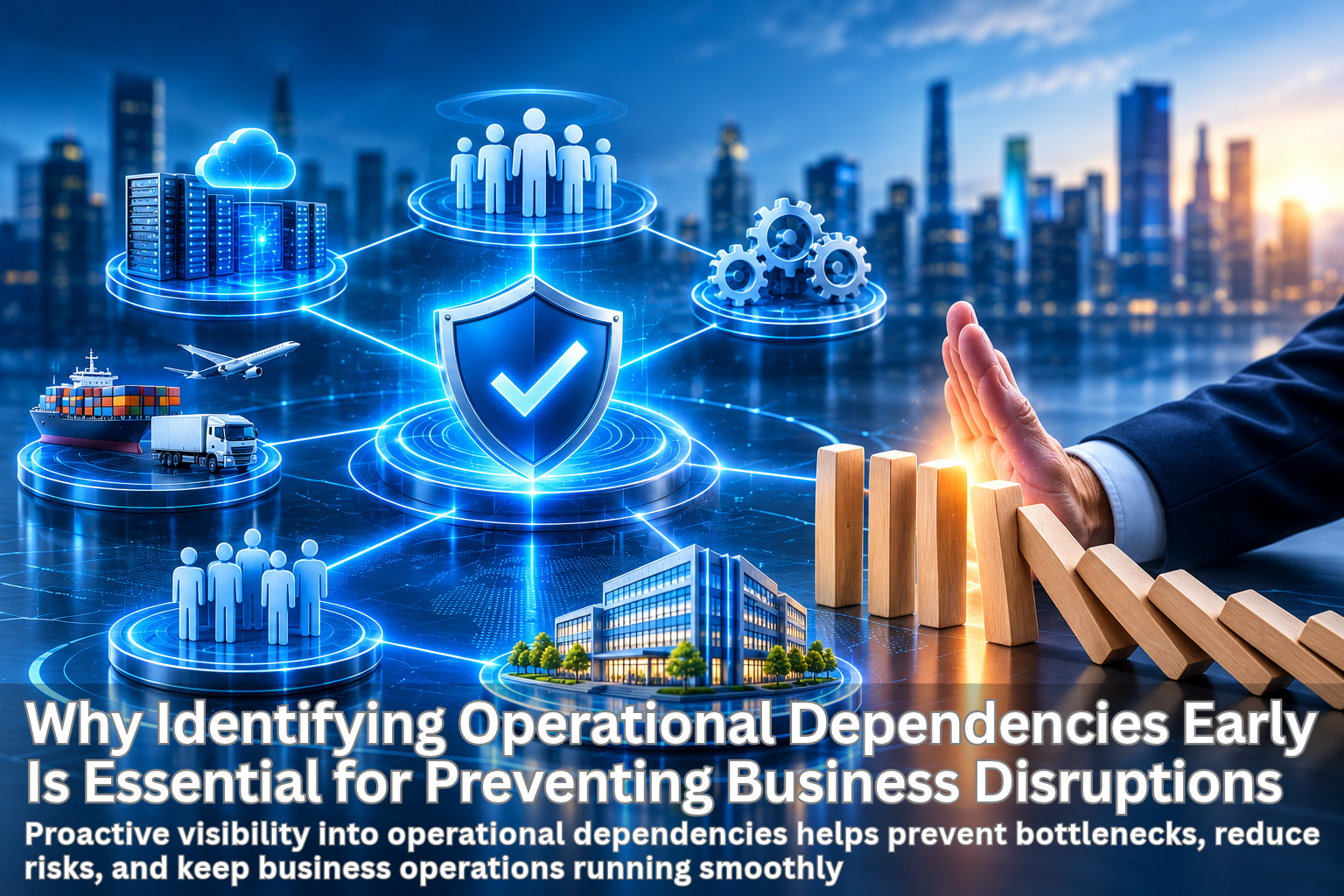
The Challenge of Maintaining Accurate Operational Information Across Changing Teams 🔄
The Challenge of Maintaining Accurate Operational Information Across Changing Teams 🔄
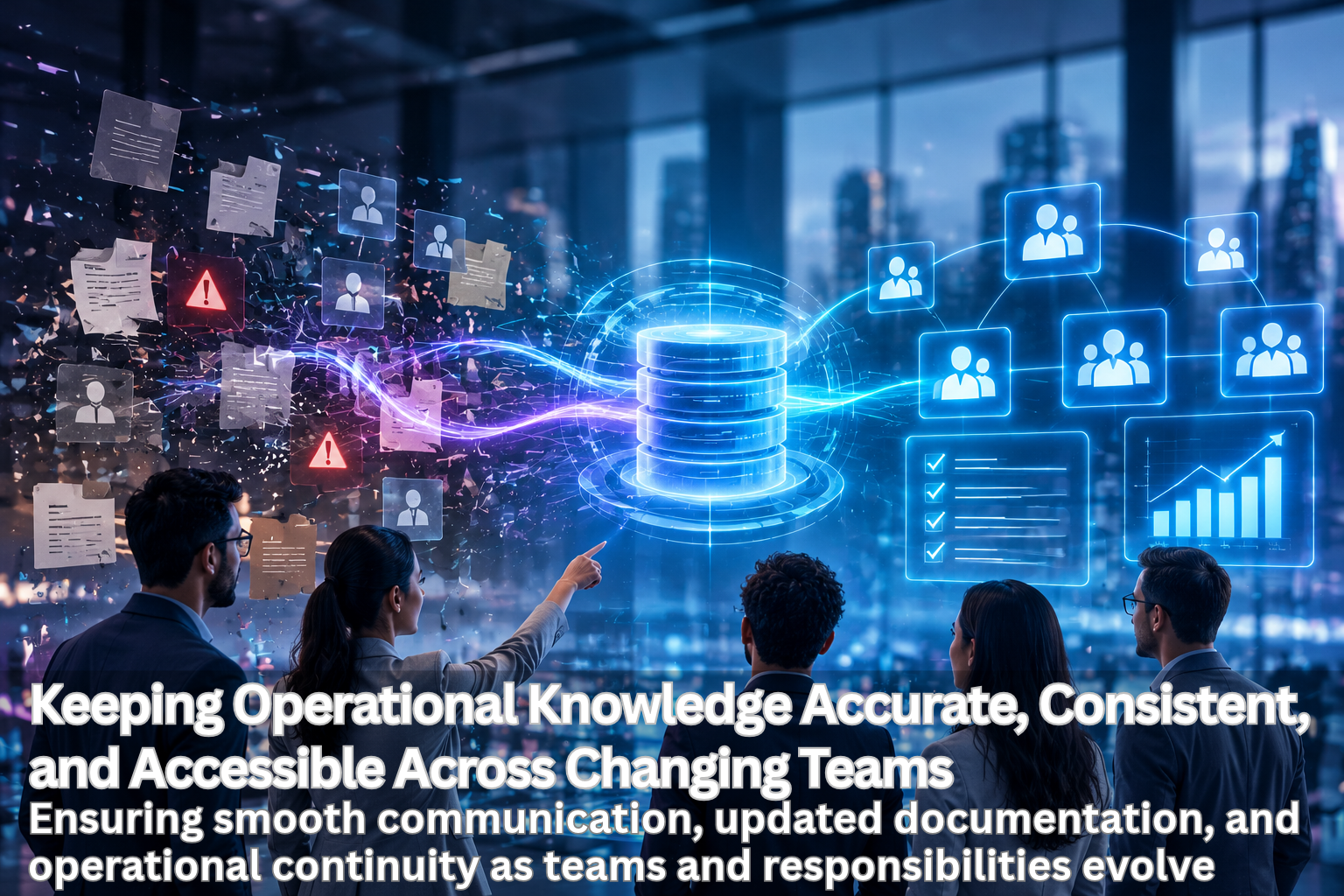
In today's fast-moving business environment, teams, responsibilities and operational processes are constantly evolving. Employees join, others move into new
roles, departments restructure, and business priorities shift. While change is a natural part of organisational growth, it creates a significant challenge:
how do
businesses ensure that their operational information remains accurate, consistent and accessible at all times?
Maintaining reliable operational information is essential for effective decision-making, smooth day-to-day operations and long-term business success. Yet, when teams change, important knowledge can easily become fragmented, outdated or lost.
At
Wyman Bain, we recognise the importance of maintaining clear, reliable and up-to-date operational information to support organisations through periods of change.
🔍 Why Accurate Operational Information Matters
Operational information provides the foundation for how a business functions. It includes processes, procedures, policies, responsibilities, workflows, instructions and key organisational knowledge.
When this information is accurate and readily available, employees can perform their
roles confidently, make informed decisions and maintain consistency across departments.
However, inaccurate or outdated information can lead to:
- Operational inefficiencies: Employees may follow outdated procedures or duplicate work.
- Communication gaps: Different teams may work from conflicting information.
- Increased business risk: Incorrect instructions can lead to compliance issues, errors and costly mistakes.
- Loss of organisational knowledge: Critical expertise may disappear when experienced employees leave.
- Reduced productivity: Employees spend valuable time searching for information or seeking clarification.
Ultimately, businesses need more than documented processes. They need a reliable approach to keeping operational knowledge current.
👥 The Impact of Changing Teams on Business Operations
People are one of an organisation's most valuable assets. However, when employees change roles, leave the business or join new teams, the knowledge they hold can be difficult to transfer effectively.
Consider a situation where an experienced employee manages a critical operational process. Over time, they develop an understanding of procedures, exceptions, key contacts and practical workarounds that may not be fully documented.
When that individual leaves, their replacement may inherit written instructions that only tell part of the story.
This can create uncertainty, delays and unnecessary reliance on colleagues for information.
Team restructuring can also introduce challenges. Responsibilities may shift between departments, approval processes may change, and existing documentation may no longer reflect how work is actually carried out.
Without a structured approach to managing these changes, operational information quickly becomes inconsistent.
⚠️ Common Challenges Organisations Face
Several recurring issues make it difficult to maintain accurate operational information.
1. Outdated documentation
Processes evolve, but documentation does not always keep pace. Employees may unknowingly rely on information that no longer reflects current business practices.
2. Knowledge held by individuals
Important operational knowledge is often stored in employees' experience rather than formal documentation. This creates vulnerability when people move on.
3. Unclear ownership
When nobody is clearly responsible for reviewing and updating information, documents can become neglected.
4. Multiple versions of the same information
Different departments may maintain their own copies of procedures, spreadsheets and guidance documents. This can result in confusion over which version is correct.
5. Inconsistent communication
Changes are not always
communicated effectively across teams. As a result, some employees may continue working with outdated instructions while others follow revised processes.
💡 How Can Businesses Maintain Accurate Operational Information?
Maintaining reliable information requires a proactive and structured approach. Rather than updating documents only when problems arise,
organisations should establish processes that make information management part of everyday operations.
1. Establish Clear Ownership and Accountability
Every important operational document should have a designated owner responsible for ensuring its accuracy.
This includes reviewing information regularly, confirming that procedures remain relevant and coordinating updates when responsibilities or processes change.
Clear ownership reduces the risk of
important information being overlooked.
Consistency makes operational information easier to understand, maintain and share.
Organisations should establish standard formats for policies, procedures, process maps and work instructions. This helps employees locate
key information quickly and understand how different processes fit together.
3. Create a Central Source of Truth
Information should be stored in an organised, accessible location rather than scattered across individual inboxes, shared drives and personal folders.
A centralised
information management approach helps employees access the latest approved versions of documents and reduces the risk of conflicting information.
4. Make Knowledge Transfer Part of Team Changes
When employees leave, change roles or take on new responsibilities, knowledge transfer should be a structured part of the transition.
This may include:
- Documenting key responsibilities and recurring tasks.
- Recording important contacts and dependencies.
- Updating procedures to reflect current working practices.
- Sharing practical knowledge that may not be captured in existing documentation.
- Confirming that incoming employees understand where to find relevant information.
Knowledge transfer should not be left until the final days of an employee's departure.
5. Introduce Regular Reviews and Updates
Operational information should be reviewed at planned intervals and whenever significant business changes occur.
Reviews should consider whether documents remain accurate, whether responsibilities have changed and whether employees are following the documented processes.
This ensures that information evolves alongside the organisation.
6. Encourage a Culture of Information Ownership
Maintaining accurate information is not solely the responsibility of management or an administrative team.
Employees who use operational processes every day are often best placed to identify gaps, inconsistencies and opportunities for improvement.
Encouraging teams to report outdated
information and suggest improvements helps create a culture of shared accountability.
🚀 Turning Operational Information into a Business Advantage
When operational information is managed effectively, it becomes more than an administrative requirement. It becomes a valuable business asset.
Reliable information helps organisations:
- Improve operational efficiency and consistency.
- Support smoother employee onboarding and transitions.
- Reduce dependency on individual employees.
- Strengthen governance and accountability.
- Improve business resilience and continuity.
- Make better-informed decisions.
- Adapt more confidently to organisational change.
Most importantly, it allows businesses to maintain operational stability even when the people and structures supporting those operations change.
🤝 Building Consistency Through Change
Change is inevitable, but operational confusion does not have to be.
Businesses that invest in maintaining accurate, accessible and well-managed operational information are better equipped to manage team transitions, protect organisational knowledge and maintain consistent performance.
The key is to treat operational information as something that requires continuous attention, clear ownership and regular improvement.
At Wyman Bain, we believe that effective operational management starts with clarity, consistency and a strong understanding of how
organisations work. By taking a proactive approach to information management, businesses can create stronger foundations for sustainable growth and operational excellence.
Because when teams change, your operational knowledge should remain reliable. 💼
📌
Key Takeaway
Accurate operational information is essential for business continuity, productivity and effective decision-making. By establishing clear ownership, standardising documentation, improving knowledge transfer and reviewing information regularly, organisations can ensure that important knowledge remains accessible and relevant, regardless of how their teams evolve.
Wyman Bain, Supporting clarity, consistency and confidence in business operations.
CONTACT US >>>>>>>>