Why Business Continuity Depends on More Than Emergency Planning
Why Business Continuity Depends on More Than Emergency Planning
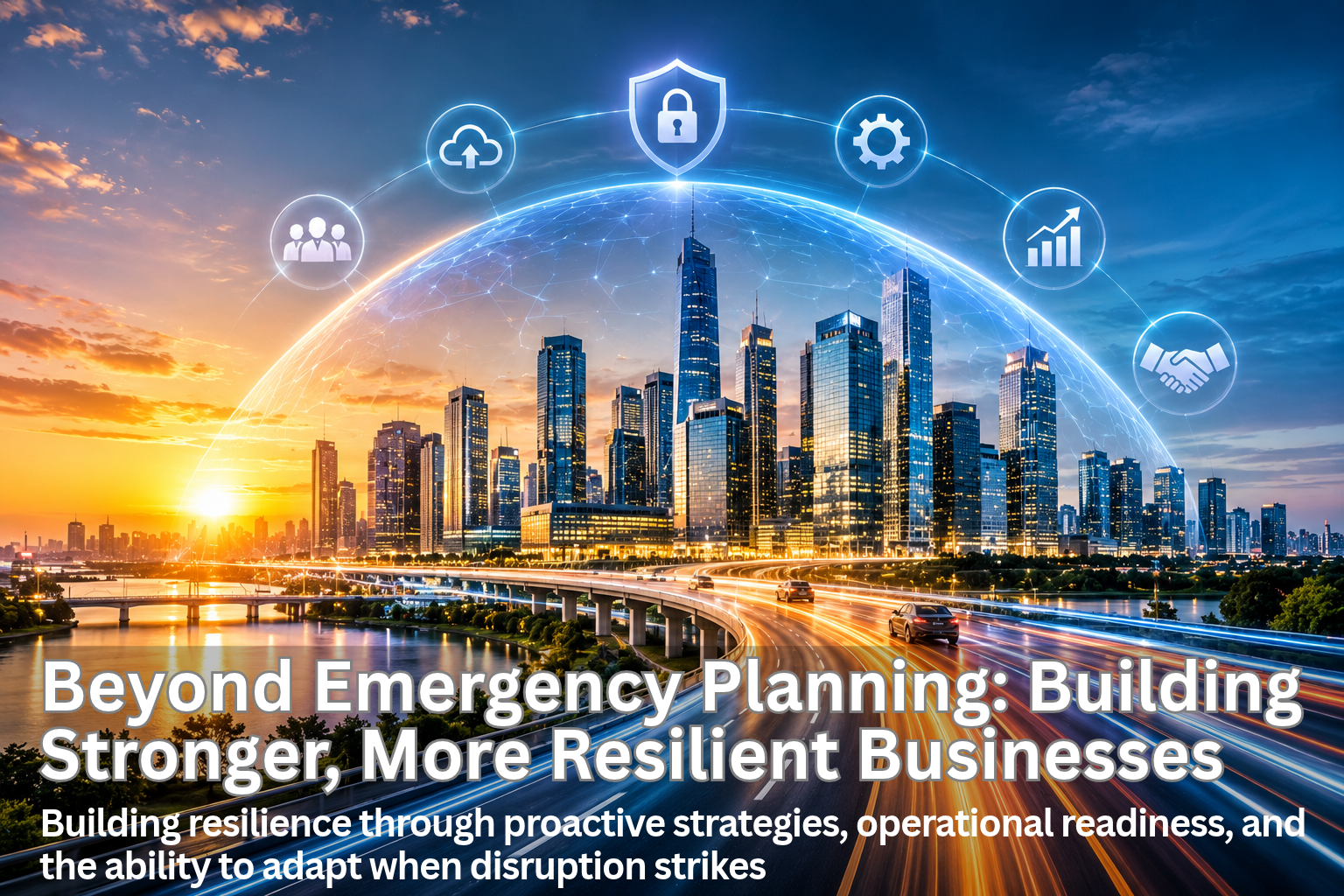
Preparing your business for disruption means thinking beyond emergencies. It means building resilience into every part of your organisation.
🚀 In today's fast-moving business environment, disruption is no longer a question of if but when. From
cyber-attacks and technology failures to supply chain interruptions, economic uncertainty and unexpected staff shortages, businesses face a growing range of challenges that can affect their operations.
Many organisations have emergency plans in place. However, having a document outlining what to do when something goes wrong is not the same as being genuinely prepared to keep the business running.
True business continuity requires a broader, more proactive approach. It involves understanding potential risks, protecting
critical operations, empowering employees and ensuring the organisation can adapt when circumstances change.
At
Wyman Bain, we recognise that effective business continuity is about more than responding to emergencies. It is about creating the foundations for long-term organisational resilience.
🚨 1. Emergency Planning Is Only the Starting Point
Emergency planning is an important part of business continuity, but it represents just one element of a much wider strategy.
Traditional emergency plans often focus on immediate responses: who to contact, where to go, how to protect employees and what steps to take following an incident.
While these measures are essential, they do not necessarily address the bigger questions:
- How will essential business operations continue?
- What happens if critical systems become unavailable?
- How will customers and suppliers be kept informed?
- Can employees work effectively from alternative locations?
- How quickly can the organisation recover?
A comprehensive business continuity approach considers these questions before disruption occurs, helping organisations move from reactive decision-making to proactive preparedness.
🛡️ 2. Resilience Must Be Built into Everyday Operations
Business continuity should not be treated as a separate activity that only becomes relevant during a crisis.
Instead, resilience needs to be embedded into everyday business operations.
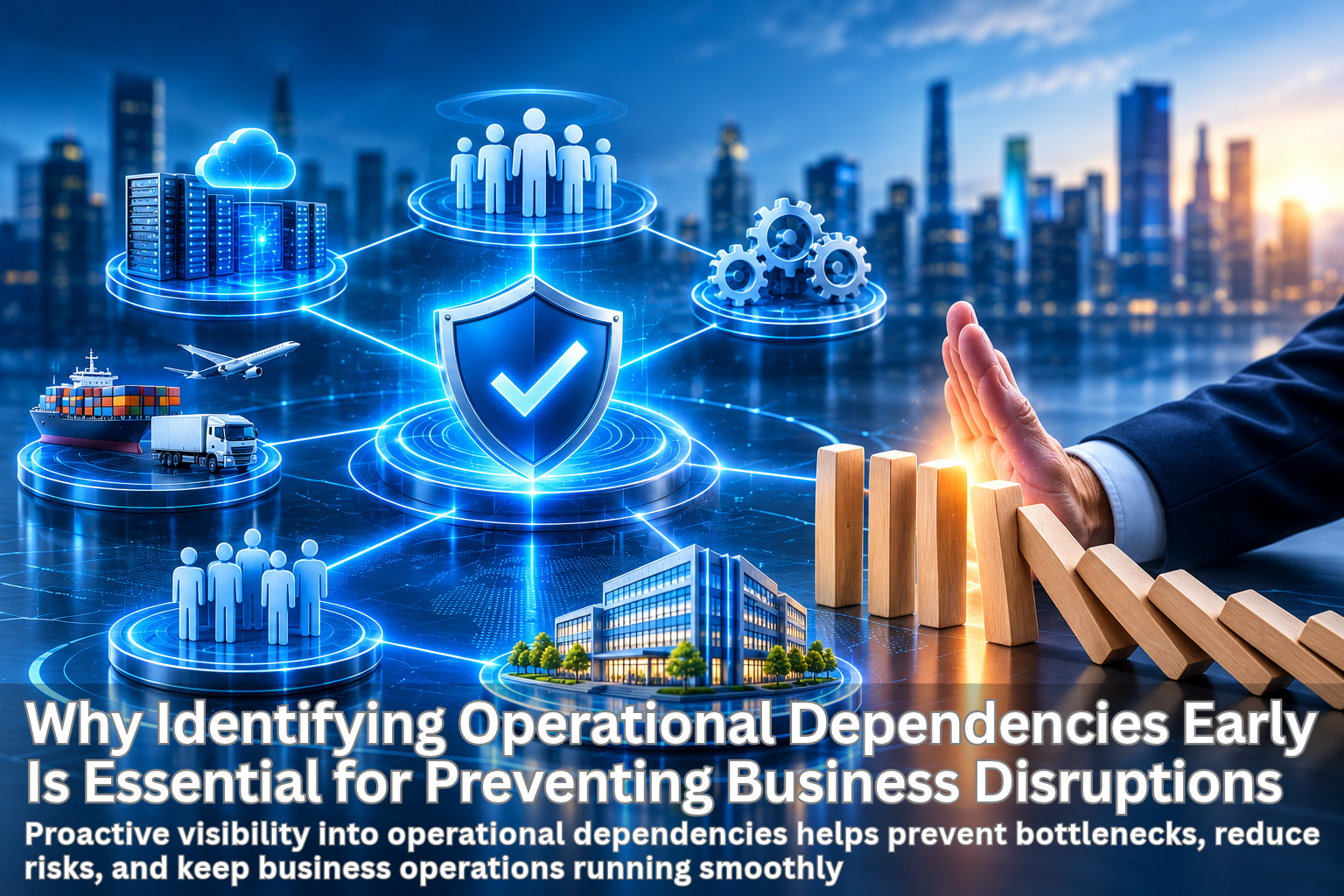
This means identifying critical processes, understanding dependencies and ensuring suitable arrangements are in place to maintain essential services.
For example, organisations should consider:
- Technology resilience: Are systems backed up, protected and recoverable?
- People resilience: Are responsibilities understood, and is there sufficient knowledge across teams?
- Supplier resilience: Are alternative suppliers available if key partners experience disruption?
- Operational resilience: Can essential activities continue under different circumstances?
- Financial resilience: Does the organisation understand the financial impact of potential interruptions?
By addressing these areas, businesses can reduce vulnerabilities and improve their ability to withstand unexpected challenges.
👥 3. Your People Are Central to Business Continuity
Technology, processes and documentation are important, but people remain one of the most valuable elements of any continuity strategy.
Even the most detailed plan can fail if employees do not understand their responsibilities or know how to respond when disruption occurs.
Effective business continuity requires clear communication, appropriate training and strong leadership.
Employees should understand:
- Their roles during a disruption.
- Who makes important decisions.
- How to access essential information.
- Where to find alternative working arrangements.
- How to communicate with colleagues, customers and stakeholders.
Regular training and scenario-based exercises help teams develop confidence and make better decisions under pressure.
🤝 A resilient organisation is one where people are prepared, informed and empowered to act.
🔍 4. Risk Management Needs to Be Continuous
Business risks are constantly evolving. New technologies, changing regulations, market conditions and emerging threats can introduce vulnerabilities that did not previously exist.
This means business continuity plans should never be considered finished.
Organisations need to regularly review their risk exposure, assess the potential impact of disruption and update their continuity arrangements accordingly.
A structured risk management approach should include:
- Identifying potential internal and external threats.
- Assessing the likelihood and potential impact of each risk.
- Identifying critical business activities and dependencies.
- Developing appropriate mitigation and recovery strategies.
- Reviewing and testing arrangements regularly.
📊 Continuous risk assessment enables organisations to stay ahead of emerging challenges rather than simply responding after problems arise.
💻 5. Technology and Cyber Resilience Are Essential
Digital technology now supports almost every aspect of business operations. While this creates opportunities for efficiency and growth, it also introduces additional risks.
Cyber-attacks, ransomware, data breaches, system failures and cloud service interruptions can significantly affect an organisation's ability to operate.
Business continuity must therefore include a clear understanding of technology-related risks.
Important considerations include:
- Maintaining secure and regularly tested data backups.
- Establishing disaster recovery arrangements.
- Protecting critical systems and sensitive information.
- Developing procedures for technology outages.
- Ensuring employees understand cyber security responsibilities.
- Establishing clear communication channels if normal systems become unavailable.
🔐 Technology resilience is not simply an IT responsibility. It is a business-wide priority that requires leadership, planning and ongoing investment.
🧪 6. Testing Your Plans Makes the Difference
A business continuity plan may look comprehensive on paper, but how effective is it when put into practice?
Without regular testing, organisations may discover gaps in their arrangements at precisely the wrong moment.
Testing helps identify weaknesses, clarify responsibilities and improve response times.
Businesses can use different approaches, including:
- Tabletop exercises: Discussing realistic disruption scenarios with relevant teams.
- Simulation exercises: Practising responses to specific incidents.
- Technical recovery testing: Checking whether systems and data can be restored.
- Communication testing: Confirming that employees and stakeholders can be contacted.
- Lessons-learned reviews: Evaluating performance and making improvements after exercises or real incidents.
The objective is not simply to prove that a plan exists. It is to establish whether the organisation can actually implement it when needed.
📈 7. Business Continuity Protects More Than Operations
The benefits of effective business continuity extend far beyond keeping day-to-day activities running.
A well-developed approach can help organisations:
- Protect their reputation and customer confidence.
- Minimise financial losses caused by disruption.
- Maintain important supplier and customer relationships.
- Support employee confidence and wellbeing.
- Strengthen stakeholder trust.
- Improve decision-making during uncertain periods.
- Create a stronger foundation for sustainable growth.
Ultimately, business continuity is not just about surviving difficult situations. It is about maintaining confidence, protecting value and positioning the organisation to recover and move forward.
🌟 Moving from Emergency Preparedness to Business Resilience
The organisations best prepared for disruption are those that recognise business continuity as an ongoing strategic responsibility.
Emergency plans remain essential, but they must be supported by effective risk management, resilient operations, engaged employees, reliable technology and regular testing.
When these elements work together, businesses are better equipped to respond to uncertainty, protect their people and maintain the services their customers depend on.
At
Wyman Bain, we believe that building resilience starts with asking the right questions, understanding organisational vulnerabilities and taking practical steps to strengthen preparedness.
Because business continuity is not simply about having a plan for when things go wrong. It's about ensuring your business is ready to keep moving forward.
💬 Is Your Business Prepared for the Unexpected?
Don't wait for disruption to reveal gaps in your organisation's preparedness.
Take a proactive approach to business continuity and start building a more resilient organisation today.
Get in touch with Wyman Bain to explore how a stronger approach to business continuity and
organisational resilience can support your business.