What Makes an Effective Executive in Aviation and Defence ✈️🛡️
What Makes an Effective Executive in Aviation and Defence ✈️🛡️
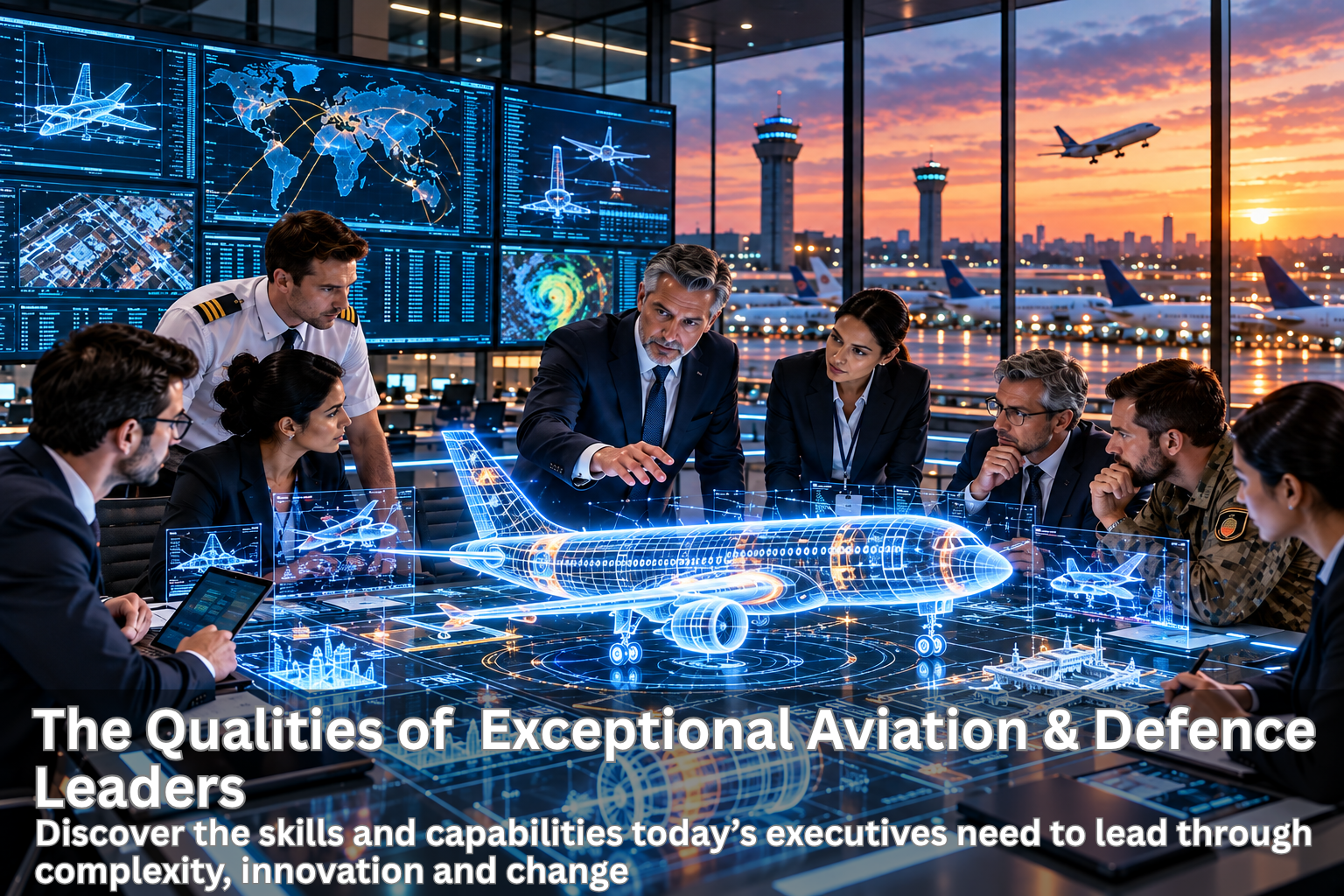
The aviation and defence sectors operate in some of the most complex and demanding environments in the world. 🌍✈️ From technological innovation 🤖 and geopolitical uncertainty 🌐 to evolving regulations 📋 and complex supply chains 🔗, organisations need exceptional leaders who can make confident decisions and navigate constant change.
For businesses operating across aviation and defence, having the right executive leadership in place is not simply an advantage it is essential to long-term success. 🎯📈
But what truly makes an executive effective in these highly specialised industries? 🤔
1. Strategic Vision and Long-Term Thinking 🔭🚀
Effective executives need to look beyond immediate challenges and understand where the industry is heading. 🌍📊
Aviation and defence organisations often make significant investments in technology, infrastructure, talent and research that deliver results over many years. 💡🏗️ Successful leaders must therefore balance short-term priorities with long-term strategic objectives.
They should be able to:
- 🎯 Identify emerging market opportunities
- 🔮 Anticipate industry disruption
- 📈 Develop sustainable growth strategies
- 🧭 Align business objectives with future market demands
- 🧠 Make informed decisions in uncertain environments
Strong strategic thinking enables executives to prepare their organisations for what comes next rather than simply reacting to what is happening today. 🚀
2. Strong Commercial and Financial Understanding 💼💷📊
Technical expertise is important, but today's aviation and defence executives also need a strong understanding of the commercial side of the business. 💼
Leaders must understand profitability 💷, investment 💰, operational efficiency ⚙️, customer relationships 🤝 and sustainable revenue growth 📈.
The strongest executives can connect strategic decisions with measurable commercial outcomes, ensuring that innovation and investment support wider organisational objectives. 🎯
3. Deep Industry Knowledge ✈️🛡️🎓
Aviation and defence are highly specialised sectors where experience matters. 🔍
Executives need a strong understanding of their operating environment, including regulatory requirements 📋, procurement processes 🏗️, complex supply chains 🔗, technological developments 💡 and customer expectations.
However, industry knowledge alone is not enough.
The strongest leaders combine technical understanding with the ability to translate complex information into clear and effective business decisions. 🧠➡️📊
4. Leadership in Complex Environments 👥🌍⭐
Aviation and defence organisations often involve large, highly skilled and geographically distributed teams. 🌎👥
Effective executives must be capable of leading people through complex projects, organisational change and periods of uncertainty. 🔄
Great leadership involves more than setting direction. 🧭 It requires executives to:
- 🤝 Build trust
- 💬 Communicate clearly
- 👥 Develop high-performing teams
- 🌱 Encourage professional development
- 🏆 Create a culture where people can perform at their best
Leaders who can bring together technical specialists, commercial teams and operational professionals are particularly valuable. 🔗
5. The Ability to Manage Risk ⚖️🛡️
Risk management is fundamental across aviation and defence. ✈️🛡️
Executives may need to consider operational ⚙️, financial 💷, technological 💻, regulatory 📋, geopolitical 🌍 and supply-chain 🔗 risks when making strategic decisions.
Effective leaders do not simply avoid risk. They understand it, assess its potential impact and make calculated, evidence-based decisions. 🧠📊
The ability to remain calm and decisive when circumstances change can make a significant difference to organisational resilience. 💪
6. Adaptability and Innovation 💡🤖🚀
Technology is transforming both aviation and defence at an extraordinary pace. ⚡
Artificial intelligence 🤖, automation ⚙️, advanced manufacturing 🏭, cybersecurity 🔐, unmanned systems 🚁 and next-generation aerospace technologies ✈️ are creating new opportunities while introducing new challenges.
Successful executives need to be comfortable with innovation and willing to challenge established ways of working. 🔄💡
They should encourage their organisations to:
- 🤖 Embrace new technologies
- 💡 Invest in innovation
- ⚙️ Improve operational efficiency
- 🚀 Develop future-ready capabilities
- 🌍 Respond quickly to changing market conditions
Adaptability is becoming one of the defining characteristics of effective leadership. 🎯
7. Strong Stakeholder Management 🤝🌐
Executives in aviation and defence rarely operate in isolation.
They may work with customers 🤝, governments 🏛️, regulators 📋, suppliers 🔗, investors 💰 and international partners 🌍, often with competing priorities.
The ability to build strong relationships and communicate effectively across different audiences is therefore essential. 💬
Strong executives know how to influence, negotiate and collaborate while maintaining the organisation's strategic objectives. 🎯🤝
8. Global and Geopolitical Awareness 🌍🛰️
Aviation and defence are deeply connected to global markets and geopolitical developments. 🌐
Changes in international relationships 🤝, government policy 🏛️, defence spending 💷, trade regulations 📋 and global supply chains 🔗 can have a direct impact on organisations operating in these sectors.
Effective executives therefore need a broad international perspective 🌍 and the ability to understand how external developments could affect their organisation.
This global awareness helps leaders identify both potential risks ⚠️ and new opportunities 🚀.
9. Resilience Under Pressure 💪🔥
Leadership in aviation and defence can involve high levels of responsibility, complex decisions and significant consequences. ⚠️
Effective executives need the resilience to remain focused when facing pressure, uncertainty and unexpected challenges. 🧠
They must be able to assess situations objectively 🔍, communicate confidently 💬 and make decisions when there is no perfect answer.
Resilient leadership creates stability throughout an organisation, particularly during periods of change or disruption. 🏢💪
10. A Strong Focus on People and Culture 👥❤️🌱
Even in highly technical industries, people remain one of an organisation's greatest assets. 👥⭐
Effective executives understand the importance of attracting 🎯, developing 📚 and retaining 🏆 specialist talent.
They create environments where employees feel valued, supported and motivated to contribute. 🤝😊
A strong organisational culture can improve collaboration 🤝, innovation 💡 and performance 📈, while helping businesses build the capabilities they need for the future. 🚀
The Executive Leadership Aviation and Defence Organisations Need ✈️🛡️🚀
The most effective executives in aviation and defence combine strategic thinking 🧠, commercial awareness 💼, technical understanding ⚙️ and exceptional leadership 👑.
They are comfortable navigating complexity 🌐, managing risk 🛡️ and making difficult decisions 🎯. They understand the importance of innovation 💡 while maintaining operational discipline ⚙️, and they can connect people, technology and strategy to deliver sustainable results. 📈
As the aviation and defence landscape continues to evolve, organisations will increasingly need leaders who can look beyond today's challenges and build the capabilities required for tomorrow. 🌍🔭🚀
Finding the Right Leadership for a Changing Industry 🎯👔
Identifying executives with the right combination of experience, leadership capability, commercial insight and strategic vision requires a focused and specialist approach. 🔍
At Wyman Bain, we understand the importance of finding exceptional leadership talent for complex and evolving industries. 👔🌍 Our executive search approach focuses on identifying individuals who can make a meaningful and lasting impact on an organisation. 📈
Because in aviation and defence, the right leader does more than manage change they help shape what comes next. ✈️🛡️🚀