
🚀 Coaching Newly Promoted Executives for Success: Turning Leadership Potential into Lasting Impact
🚀 Coaching Newly Promoted Executives for Success: Turning Leadership Potential into Lasting Impact
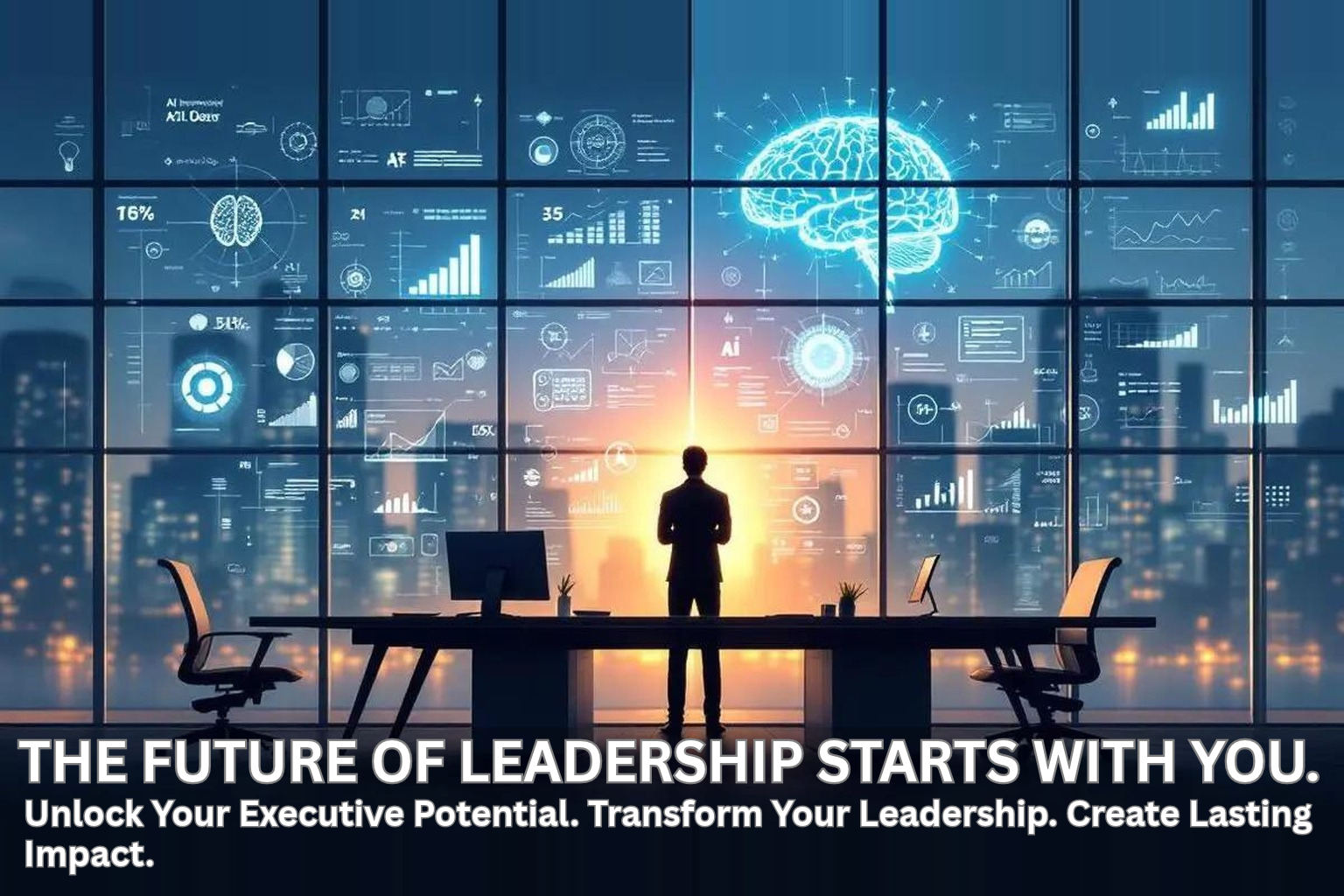
Stepping into an
executive role is an exciting milestone, but succeeding at the highest level requires more than professional expertise. It requires a shift in mindset, leadership approach and strategic thinking.
Being promoted into an executive position is a significant career achievement. It reflects years of dedication, outstanding performance and the confidence an organisation has in your abilities.
However, the transition from senior management to executive leadership brings a new set of challenges. Expectations increase, responsibilities become broader, decisions carry greater consequences and the ability to influence others becomes just as important as technical expertise.
At
Wyman Bain, we believe that successful executive transitions do not happen by chance. They are built through self-awareness, strategic development, purposeful leadership and the right coaching support.
So, how can newly promoted executives navigate this transition confidently and establish themselves as effective, influential leaders?
🌟 1. Embrace the Shift from Managing to Leading
One of the biggest challenges facing newly promoted executives is understanding that their role has fundamentally changed.
As a
senior manager, success may have been measured by personal performance, operational delivery and the achievement of departmental objectives.
As an executive, the focus shifts towards:
- Setting strategic direction and organisational priorities.
- Inspiring and influencing people across the business.
- Making decisions that support long-term organisational success.
- Building strong relationships with fellow executives and stakeholders.
- Developing leadership capability within the wider organisation.
The challenge is learning to move away from being involved in every detail and towards empowering others to deliver results.
Executive coaching helps leaders recognise this shift, develop a broader perspective and focus their energy where it creates the greatest value.
🧠 2. Develop Self-Awareness and Emotional Intelligence
Exceptional leadership begins with understanding yourself.
Newly promoted executives must recognise how their
leadership style, behaviours, communication and decision-making affect those around them.
Emotional intelligence is particularly important when navigating complex relationships, managing conflict and leading through uncertainty.
Through
executive coaching, leaders can explore:
- Their personal leadership strengths and development areas.
- How their behaviour influences team performance.
- Their emotional responses under pressure.
- How to communicate with greater clarity and confidence.
- Ways to build trust, credibility and psychological safety.
Greater self-awareness enables
executives to lead authentically, respond thoughtfully and create an environment where people feel valued and motivated.
🎯 3. Build Strategic Thinking and Decision-Making Skills
At executive level, leaders must look beyond immediate operational demands and consider the bigger picture.
They are expected to anticipate challenges, identify opportunities, assess risks and make decisions that shape the future of the organisation.
This requires a shift from reactive problem-solving to proactive,
strategic leadership.
Executive coaching can help newly promoted leaders:
- Strengthen their strategic thinking capabilities.
- Balance short-term priorities with long-term objectives.
- Make confident decisions with incomplete information.
- Challenge assumptions and consider alternative perspectives.
- Navigate ambiguity and organisational complexity.
The ability to think strategically is what enables executives to move beyond managing today's challenges and begin shaping tomorrow's opportunities.
🤝 4. Strengthen Executive Presence and Influence
Technical competence and professional experience may have secured the promotion, but executive success also depends on how effectively a leader communicates, influences and builds relationships.
Executive presence is not about having the loudest voice in the room. It is about demonstrating confidence, credibility, composure and authenticity.
Newly promoted
executives need to develop the ability to:
- Communicate strategic messages with clarity and conviction.
- Influence senior stakeholders and board members.
- Navigate challenging conversations.
- Present ideas confidently.
- Build constructive relationships across different functions.
- Inspire confidence during periods of change.
With the right coaching,
executives can strengthen their presence and develop an authentic leadership style that earns respect and encourages collaboration.
🌱 5. Build and Empower High-Performing Teams
A successful executive does not achieve results alone.
One of the most important responsibilities of an
executive leader is creating the conditions for others to perform at their best.
This means moving away from excessive oversight and developing a culture of trust, accountability and empowerment.
Effective
executive leadership involves:
- Delegating responsibility with confidence.
- Identifying and developing future leaders.
- Encouraging collaboration and innovation.
- Establishing clear expectations and accountability.
- Recognising and nurturing individual strengths.
- Creating an inclusive, high-performing culture.
Executive coaching helps leaders understand how to get the best from their people while ensuring teams remain aligned with the organisation's wider ambitions.
🔄 6. Navigate Organisational Politics and Stakeholder Relationships
Moving into an executive role often means entering a more complex organisational environment.
Newly promoted executives must learn to navigate competing priorities, different leadership perspectives, stakeholder expectations and organisational dynamics.
This can be particularly challenging when transitioning from being a peer to becoming a leader of former colleagues.
Building credibility requires tact, emotional intelligence and an understanding of how decisions are made across the organisation.
Coaching provides a confidential space to explore these challenges, strengthen stakeholder relationships and develop practical strategies for managing difficult situations.
💡 7. Create a Personal Executive Development Plan
Executive development should never stop once a promotion has been secured.
The most successful leaders continuously reflect, learn and adapt.
A structured
executive development plan helps newly promoted leaders establish clear priorities and measure their progress.
A practical plan should include:
Leadership vision: What kind of executive do you want to become?
Development priorities: Which skills, behaviours and capabilities need strengthening?
Strategic objectives: What impact do you want to make within the organisation?
Relationship building: Which key stakeholders and networks should you develop?
Measurable outcomes: How will you evaluate your
leadership effectiveness and progress?
Regular coaching conversations provide accountability, encourage reflection and help translate development goals into meaningful action.
🌟 Why Executive Coaching Matters
The transition into executive leadership can be demanding, even for highly experienced professionals.
Without the right support, newly promoted
executives may find themselves relying on familiar management behaviours that no longer serve them effectively.
Executive coaching provides a dedicated, confidential space to step back, reflect and approach
leadership challenges with greater clarity.
At
Wyman Bain, we recognise that every executive journey is different. Effective coaching is therefore centred on the individual, their organisational environment, leadership ambitions and development needs.
Our approach focuses on helping leaders:
- Build confidence and executive presence.
- Develop strategic leadership capabilities.
- Improve communication and stakeholder influence.
- Strengthen emotional intelligence and resilience.
- Lead high-performing teams.
- Navigate complex leadership transitions.
- Create sustainable, measurable leadership impact.
🚀 Your Next Leadership Chapter Starts Here
A promotion marks the beginning of a new leadership journey, not the end of professional development.
The transition into an
executive role is an opportunity to redefine your leadership identity, expand your influence and create a lasting contribution to your organisation.
With the right mindset, guidance and commitment to continuous development,
newly promoted executives can move beyond simply succeeding in their new positions to becoming confident, inspiring and impactful leaders.
At
Wyman Bain, we believe great leadership is developed, not simply appointed.
Whether you are preparing for your first executive appointment or have recently stepped into a senior leadership position, investing in your development can make a meaningful difference to your success.
✨
Ready to make your next leadership move count?
Discover how executive coaching with
Wyman Bain can help you unlock your leadership potential, navigate new challenges and achieve lasting success.
Get in touch with Wyman Bain today to start your executive leadership journey.